
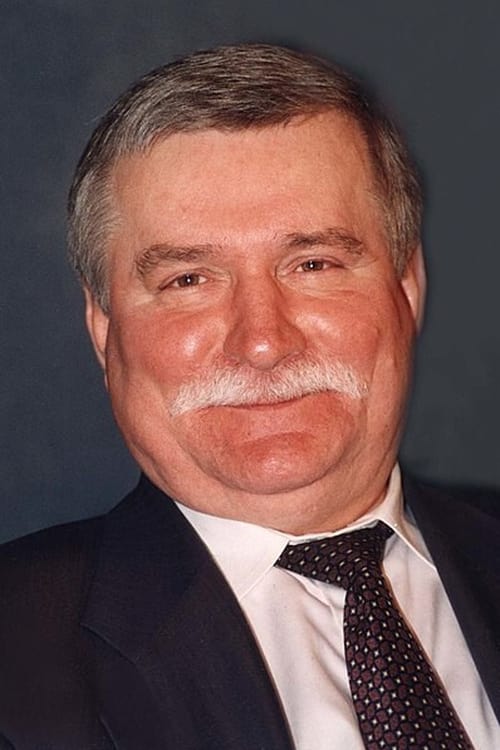
Lech Wałęsa
Lech Wałęsa, born on September 29, 1943, is a prominent Polish political figure, dissident, and Nobel Peace Prize winner, who held the presidency from 1990 to 1995. Marking a historic moment in Polish history, he became the first democratically elected President since 1926 and the first to gain office through a popular vote. Wałęsa's journey began as an electrician at the Lenin Shipyard, where he emerged as a trade union activist. His defiance against the Communist regime led to government persecution, including surveillance and multiple arrests.
In August 1980, he played a crucial role in the Gdańsk Agreement, negotiating between striking workers and the government, and co-founded the Solidarity movement, which grew to over ten million members. Following the imposition of martial law, Wałęsa's activism continued, contributing to the Round Table Agreement that facilitated semi-free elections in 1989, ultimately paving the way for a Solidarity-led government. His leadership was vital in transitioning Poland from a Marxist-Leninist state to a liberal democracy, although his political influence waned after losing the 1995 presidential election.
Wałęsa's accolades are extensive, including being named Time's Person of the Year in 1981 and one of the 100 most influential individuals of the 20th century in 1999. He has received over forty honorary degrees and various prestigious awards, such as the Presidential Medal of Freedom. Additionally, the Gdańsk Lech Wałęsa Airport was named in his honor in 2004, solidifying his legacy in Poland and beyond.
